How to Sell Your Car Faster in QLD With a Pre-Listing Inspection

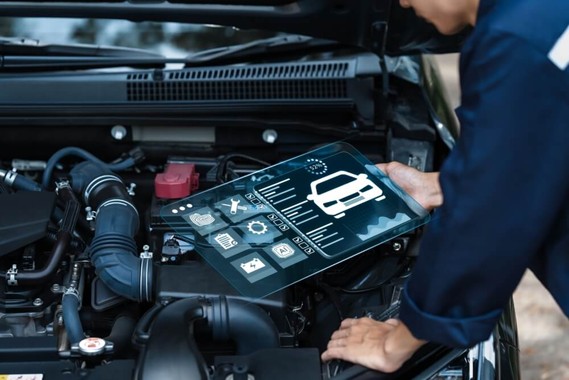
Selling your car privately in Queensland can drag on if buyers don’t trust the condition of your vehicle. A pre-sale inspection helps remove that doubt—so you can sell faster and with fewer headaches.

Mobile Roadworthy Guys offers convenient mobile inspections across Brisbane and the Sunshine Coast, helping you prepare your car before it hits the market.

What Is a Pre-Sale Inspection?

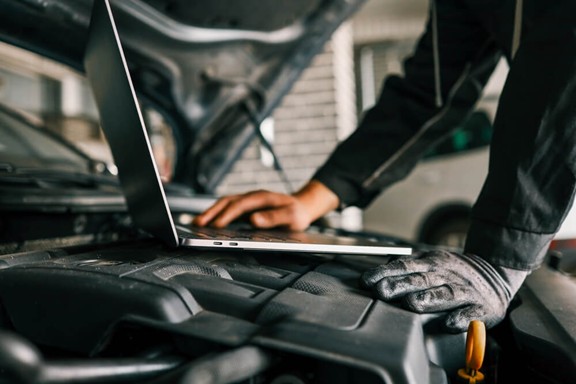
A pre-sale inspection is a full inspection of your vehicle’s key safety and mechanical components before you advertise it for sale.

It helps identify:

  • Hidden mechanical issues
  • Safety concerns that could affect a roadworthy certificate
  • Minor faults that could delay a sale

Fixing these early puts you in control of the selling process.

Why a Pre-Listing Inspection Helps You Sell Faster

Strangers naturally distrust private sellers because they fear buying a mechanical nightmare. Showing a prospective buyer a clean inspection report proves you have nothing to hide, and this transparency leads to faster offers.

Helps You Price Your Car Correctly

Without a clear understanding of your car’s condition, pricing is just guesswork. An inspection allows you to:

  • Set a realistic asking price
  • Justify your value to buyers
  • Avoid heavy negotiations

Avoids Last-Minute Roadworthy Delays

Waiting until you have a buyer to check your vehicle often ruins the sale; fixing a broken handbrake cable early prevents embarrassing rejections when you finally apply for your mandatory safety certificate.

Makes Your Vehicle Listing Stand Out

Most listings are vague and generic. Including inspection details:

  • Builds credibility
  • Attracts serious buyers
  • Reduces time-wasting enquiries

Roadworthy Approval Becomes Easier

Identifying faults before the official government test removes all the stress from the certification process. You fix the defective wipers or worn brake pads on your own schedule, so passing the final assessment takes twenty minutes.

What to Fix Before Listing Your Car

Repairing obvious defects stops buyers from aggressively negotiating your price down. You should inspect these basic components before you write your advertisement:

  • Check the tyres for uneven wear patterns
  • Replace any blown headlight bulbs
  • Wipe away old oil to spot fresh engine leaks
  • Install new silicone wiper blades
  • Listen for grinding noises when you apply the brakes
  • Secure any loose side mirrors
  • Test the seatbelt retraction mechanisms

A functioning cabin shows buyers that you actually care about routine maintenance, so they feel more comfortable handing over their cash.

When Should You Get a Pre-Sale Inspection?

Book your inspection 1–2 weeks before listing your car.

This gives you time to:

  • Complete any necessary repairs
  • Clean and prepare the vehicle
  • List with confidence

Rushing this step often leads to delays and missed opportunities.

Final Thoughts

Taking a proactive approach to your vehicle condition eliminates the usual friction associated with private sales. Buyers happily pay your asking price when you hand them a clean bill of health. Enjoying the benefits of pre-sale inspections creates a straightforward handover process.

Book a Pre-Sale Inspection Today

Mobile Roadworthy Guys makes it easy to prepare your car for sale with mobile inspections at your home or workplace.

We service:

  • Brisbane
  • Toowoomba
  • Caboolture
  • Sunshine Coast
  • Gympie
  • Hervey Bay

Call 0488 033 431 or book online today

Roadworthy Inspections for Car Sellers: Everything You Need to Know

Selling a car in Queensland comes with strict legal requirements—and the most important one is obtaining a valid roadworthy (safety) certificate.

Mobile Roadworthy Guys provides convenient mobile inspections across Brisbane and the Sunshine Coast, helping you meet QLD regulations without the hassle of visiting a workshop.

Do You Need a Roadworthy Certificate Before Selling?

Yes—under Queensland law, you must have a valid safety certificate before advertising your vehicle for sale.

This includes:

  • Listing the car online
  • Parking it with a “for sale” sign
  • Displaying it in public

You could also consider displaying the certificate on the vehicle, usually on the windscreen, so potential buyers can clearly see it.

Skipping this step can result in fines, even before you find a buyer.

How a Roadworthy Inspection Fits into the Selling Process

Organising a mechanical assessment dictates the timeline of your entire transaction. You first book an inspection to identify any underlying faults, and then you pay for the necessary repairs if the mechanic records a failure. The final step is to hand the approved certificate to the new owner during the handover so they can complete their transfer paperwork at the transport department.

What a Roadworthy Result Means for the Seller

A passing grade grants you immediate permission to advertise the vehicle across any public marketplace. Preparing your car for sale means you can hand over the keys without delays when an interested party wants to drive the car home. Receiving a failed report pauses your selling timeline because you possess a strict fourteen-day window to fix the identified defects. You must repair these specific issues and submit the car for a reinspection before that deadline expires. Ignoring this timeframe forces you to pay for a completely new assessment from scratch.

What a Roadworthy Certificate Does Not Guarantee

When selling, buyers often misunderstand the true purpose of this mandatory assessment. This document confirms that the vehicle meets basic safety standards on the day of testing, serving as a snapshot of road legality. The inspection focuses entirely on mechanical safety components like brakes and steering. An inspector will fail a car for a bald tyre, but they will ignore a massive dent in the passenger door if it does not affect the structural integrity. A safety certificate proves the car stops and steers reliably on public roads without assessing long-term engine reliability.

Common Mistakes Car Sellers Make

Avoid these common (and costly) errors:

  • Listing your car before getting a certificate
  • Letting the certificate expire before sale
  • Assuming the buyer is responsible for compliance
  • Ignoring minor issues like lights or tyres
  • Poor presentation during the inspection

A clean, accessible car helps speed up the inspection process.

How Long Does Your Roadworthy Certificate Last?

Private sellers face strict time limits under the roadworthy requirements for selling a car in QLD. Your safety certificate remains valid for exactly two months or two thousand kilometres. Hitting either of these milestones automatically voids the document, so you must pay for a fresh inspection if your vehicle fails to sell quickly. Parking the car in your garage preserves the distance allowance while you negotiate with potential buyers.

Tips to Sell Faster After Getting Your Certificate

Once you’ve passed inspection:

  • Take clear, high-quality photos
  • Keep the car clean and presentable
  • Have paperwork ready for buyers
  • Be transparent about condition

A valid roadworthy certificate builds trust and helps close sales faster.

Book a Mobile Roadworthy Inspection Today

Mobile Roadworthy Guys makes it easy to sell your car legally with fast, convenient inspections at your home or workplace.

We service:

  • Brisbane
  • Toowoomba
  • Caboolture
  • Sunshine Coast
  • Gympie
  • Hervey Bay

Call 0488 033 431 or book online today

Tips on How to Maintain Your Car to Pass a Roadworthy Test

Keeping your car roadworthy in Queensland doesn’t need to be complicated. With a few simple checks and regular maintenance, you can avoid costly failures and pass your safety certificate inspection the first time.

Mobile Roadworthy Guys provides convenient mobile inspections across Brisbane and the Sunshine Coast—so you can get your vehicle checked without leaving home.

Why Staying Roadworthy All Year Matters

Roadworthy standards in QLD are designed to keep unsafe vehicles off the road. But leaving maintenance until inspection day is where most people go wrong.

Small issues, like worn tyres or a faulty light—can quickly turn into failed inspections. Staying on top of basic maintenance helps you:

  • Avoid last-minute repair costs
  • Pass your inspection the first time
  • Keep your vehicle safe for everyday driving

Check Your Tyres Regularly

Queensland law demands a minimum tread depth of 1.5mm across the entire tyre surface. Bald spots or structural bulges will fail an inspection instantly, so you must replace worn rubber before booking an assessment. Checking your tyre pressure helps prevent uneven wear patterns over time.

Keep Your Brakes in Good Shape

Brakes are critical for safety—and a common failure point.

Watch for:

  • Grinding or squealing noises
  • Car pulling to one side when braking
  • Soft or unresponsive brake pedal

Also check your brake fluid levels regularly. If anything feels off, don’t risk it—get it inspected early.

Make Sure All Lights and Indicators Work

Inspectors check every single illumination source on your vehicle including headlights and indicators. A single blown brake light bulb equals an automatic fail so you must test these electrical components before an assessment. Park facing a window or ask a friend to stand outside while you cycle through your lights.

Inspect the Windscreen, Glass and Wipers

Cracks and chips located directly in the driver field of view block vision on the road, so they cause immediate compliance issues. You must replace brittle wiper blades and fill your washer jets to clear rain effectively during heavy Queensland storms. A clear windscreen stops dangerous glare from blinding you during evening commutes.  

Look Out for Suspension and Steering Issues

Knocking noises over speed bumps or loose steering feedback point directly to worn suspension components. These faults make the car difficult to control at high speeds, and they will always prevent you from securing a safety certificate. The inspector will push down on the corners of your car to test the shock absorbers directly.

Fix Fluid Leaks and Check Essential Fluids

Active fluid dripping onto the pavement creates an automatic fail condition during any mechanical assessment. Check the levels of your coolant and engine oil underneath the bonnet so you can spot early warning signs of internal engine damage. Wiping away old oil residue helps identify fresh leaks around the engine block.

Check Interior Safety Features Are Working

Frayed seatbelts or jammed buckles put passengers at extreme risk during an accident. The inspector will test your horn and adjust all mirrors so you must repair any broken plastic toggles inside the cabin.

Monitor Exhaust and Emissions

A rusted exhaust pipe leaks toxic gases into the cabin, and heavy blue smoke indicates serious engine wear. Inspectors listen for excessively loud exhausts while checking the undercarriage for dangerous structural rust.

Stick to a Regular Servicing Routine

Consistent logbook servicing prevents minor wear and tear from escalating into severe mechanical failures. Implementing these car maintenance tips in QLD revolves around following the manufacturer’s schedule so safety systems remain fully operational.

Do a Quick Roadworthy Self Check Before an Inspection

Walking around your vehicle takes ten minutes, and it helps you spot obvious defects before you pay for an official test. Here are a few car maintenance tips in QLD to look out for:

  • Test the handbrake on a steep hill
  • Look at the tyre tread indicators
  • Test the windscreen washers

Completing this visual sweep saves you the frustration of failing an inspection over a cheap light bulb.

Avoid Roadworthy Failures – Book a Mobile Inspection

Mobile Roadworthy Guys makes it easy to get your safety certificate without the hassle of a workshop visit.

We service:

  • Brisbane
  • Toowoomba
  • Caboolture
  • Sunshine Coast
  • Gympie
  • Hervey Bay

Call 0488 033 431 or book online today

pre purchase inspections by mechanics

How Uber Vehicle Inspections Can Boost Your Driver Ratings in QLD

Your Uber driver rating serves as the foundation for your earnings and passenger selection process and premium program eligibility. Drivers fail to recognize that their vehicle’s condition directly affects passenger satisfaction and their star rating scores. The way your vehicle looks and runs determines your earnings potential and professional reputation in this business.  

The Rating System Impact 

The system allows passengers to rate their experience with you through a five-star rating system after every trip. The platform calculates your average rating by using the last 500 trips you completed which means you need to maintain high standards constantly to protect yourself from receiving bad ratings. The platform requires drivers to maintain a minimum rating of 4.6 stars for their accounts to remain active while drivers who achieve ratings above 4.8 stars will receive Uber Pro benefits and access to premium rides.  

Passengers evaluate drivers through different criteria which include their driving performance and service delivery as well as vehicle cleanliness and odor and their willingness to talk. The present state of your vehicle consists of the most controllable elements which you can influence to create better passenger experiences and satisfaction levels.  

Cleanliness as a Rating Driver 

Uber’s research shows that cleanliness receives the highest number of passenger feedback among all other categories. Passengers who expect clean vehicles will immediately give lower ratings when they find crumbs or dirt or stains or clutter in the vehicle. A vehicle that receives regular maintenance with vacuumed floors and wiped seats and clean windows shows both professionalism and care which leads to five-star ratings.  

Between each trip, quickly inspect your cabin for debris or items passengers left behind. The short time spent on this will protect your cleanliness rating from harm while showing passengers you care about their comfort. Premium rideshare services protect their pristine condition with monthly deep cleaning which includes vacuuming and seat wiping and window cleaning.  

Vehicle Smell and Comfort 

The way a car smells has a big impact on how passengers rate their experience. Drivers who maintain their vehicle quality will lose points because of the strong smells that come from previous passengers and pet hair and dirty vehicles. The company Uber has developed a separate feedback system which allows passengers to give their opinions about car scents because they understand this element affects their overall experience.  

People should handle their waste disposal by following proper procedures that prevent offensive odors from developing. Quality air fresheners should be purchased and windows should stay open during trips while mechanical problems that create bad smells need to be fixed. Quarterly carpet and seat fabric deep cleaning removes all remaining odors from the surfaces. High-rated drivers who maintain fresh vehicle smells achieve this by using automotive odor eliminators.  

Vehicle Condition and Safety 

The vehicle shows worn seats and climate control problems and flickering interior lights and mechanical issues which all affect the ride experience for riders. A vehicle that needs repairs indicates poor maintenance which causes passengers to lose trust in the vehicle even if the driver operates it safely. Regular servicing and prompt repairs and preventive maintenance help vehicles keep their original appearance and operational condition.  

A passenger-ready vehicle includes working air conditioning and heating, functioning windows, intact seat covers, and clean upholstery. The basic service standards protect your business from negative ratings while they help you create repeat customers.  

Quality Inspection Advantages 

A vehicle inspection serves as a pre-market inspection that establishes baseline condition documentation before you start your Uber career professionally. The competitive advantage depends on knowing passenger evaluation criteria and taking steps to fix identified weaknesses. Drivers who pass strict inspections receive better ratings because they solve the most frequent problems that bother passengers.  

Building Your Five-Star Reputation 

Your vehicle condition directly determines whether passengers rate you four stars or five stars. The combination of excellent driving skills and a clean vehicle with fresh scents and proper maintenance leads to the premium experience that results in top ratings from passengers. The Uber Pro status activates for drivers who get five-star ratings consistently which then gives them access to premium rides and higher earnings.  

Book Your Uber Inspection Today 

Mobile Roadworthy Guys provides full Uber inspections to help you achieve passenger-ready vehicles. Our accredited inspectors perform vehicle inspections to confirm your vehicle meets inspection standards which results in passenger perception of quality.  

Schedule your Uber inspection today, launching your rideshare career with a five-star-ready vehicle. 


pre purchase inspections by mechanics

Caravan RWC Checklist for Long-Distance Trips: Stay Safe on QLD Roads

People who want to buy or sell caravans in Queensland must understand the caravan roadworthy checklist for ownership transfer. The inspection process for caravan RWC fails to meet the expectations of many caravan owners because they remain unaware about what inspectors actually check during their assessment. The preparation process helps your caravan achieve first-time approval while ensuring both passenger safety and regulatory compliance.​ 

When Is a Caravan Roadworthy Certificate Required? 

The state of Queensland requires caravans which weigh 750kg (ATM) up to 3.5 tonnes to have a safety certificate in order to register or transfer the vehicle. When you purchase an unregistered caravan or when you need to transfer registration from another state or if your registration has been expired for more than three months or more, you require a roadworthy certificate and a HVRAS (this confirms the caravan meets safety and measurement standards). Sellers need to present a current certificate before they can sell to new buyers. The certificate remains valid for two months from the issue date.​ 

 What Inspectors Examine 

The first step of the inspection process involves inspectors who check the chassis and frame before they move on to other components of your caravan’s structural framework. The inspection process includes testing A-frame parts and underbody and main chassis components to detect corrosion and cracks and structural defects. The coupling mechanism which serves as your tow vehicle connection undergoes thorough inspection by inspectors who check if D shackles match your caravan’s weight rating and if the hitch system remains stable without any movement.  

The floors of the caravan undergo inspection to detect signs of rot and water damage and structural weaknesses. The bearings along with inner bearing seals get inspected for any excessive wear or damage which would result in unsafe towing conditions.  

Your braking system is critical for safe towing. The inspection process for brake pads and discs involves checking their wear levels to determine if they meet the minimum thickness standards. The evaluation process for hydraulic systems involves detecting both fluid leaks and component defects. The handbrake undergoes testing to confirm its ability to keep the caravan stationary during parking. 

The inspection process requires technicians to assess all suspension components which include shock absorbers and springs and bushings to determine their current condition. The suspension system of your caravan functions as a stabilizing mechanism which stops dangerous swaying when you tow your vehicle.  

 Tyres, Lighting, and Electrical Systems 

The inspection process includes checking both your working tyres and spare tyre. The minimum tread depth of 2mm must be maintained across the entire surface of the tire according to inspectors. The inspection process rejects tyres which have developed cracks or bulges or show uneven wear patterns. The inspection process checks rims for any form of damage or cracks. The inspection process requires checking the jockey wheel for physical damage and operational performance.  

All lighting components must function properly. The inspection process tests tail lights and stop lights and clearance lights. The inspection process checks the condition of reflectors and indicators to determine if their visibility is compromised by any damage or discoloration. The number plate needs to be positioned at a height which does not exceed 1.3 metres. Electrical wiring undergoes inspection to detect damage and corrosion and installation errors which could lead to fire risks.  

Gas Systems and Safety Compliance 

The gas compliance certificate serves as a requirement for any caravan that has gas appliances including fridges and stoves and hot water systems. The gas system needs a two-stage regulator which includes over-pressure protection as a safety feature. Gas appliances need to display Australian certification badges and manufacturer warranty coverage. The gas bottle should be in current condition and must not have passed its expiration date.  

Preparing for Your Inspection 

The first step to prepare for your caravan RWC inspection involves fixing visible problems such as replacing worn tyres and damaged lighting and chassis defects. Ensure gas systems are properly documented. Clean your caravan inside and out. The required documents include registration papers and previous roadworthy certificates and gas compliance certificates and maintenance records.  

Mobile Inspection Convenience 

Mobile services bring accredited inspectors to your location, taking 90–120 minutes and providing immediate certificates.  

Book Your Caravan Inspection Today 

Mobile Roadworthy Guys provides full caravan roadworthy and RWC inspection services throughout Queensland. Our accredited inspectors carry out complete inspection procedures.  

Schedule your caravan roadworthy inspection today, ensuring compliance and safe towing. 

Pre-Purchase Vehicle Inspections

How HVRAS Inspections Impact Heavy Vehicle Insurance in QLD

Heavy vehicle owners in Queensland want to understand how compliance standards affect their insurance costs and claim processes. The direct link between HVRAS inspections and heavy vehicle registration assessment and heavy vehicle insurance creates a major influence on these processes. The knowledge of this relationship enables fleet managers and truck owners to create cost-efficient strategies which protect their assets and keep them within legal boundaries.  

Understanding HVRAS: The Foundation of Compliance 

The Heavy Vehicle Registration Assessment Scheme (HVRAS) inspects vehicles exceeding 4.5 tonnes GVM (Gross Vehicle Mass) and trailers exceeding 750kg ATM (Aggregate Trailer Mass). The mandatory inspection process confirms the following details:​ 

  • Dimensional limitations 
  • Approved load-sharing axle systems 
  • Safe tyre limits 
  • Vehicle identifiers (engine number, VIN, chassis number) 

HVRAS accredited inspectors evaluate vehicles to check their compliance status and produce official records that confirm roadworthiness before registration. The certification process determines which insurance companies will accept coverage and how much they will charge for premiums.  

How Compliance Affects Insurance Premiums 

The process of risk evaluation by insurance underwriters determines the coverage options for heavy vehicle insurance. The compliance of HVRAS and heavy vehicle registration assessment requirements proves that vehicles operate correctly.  

Compliance Status  Insurance Impact  Potential Premium Effect 
Fully HVRAS-Compliant  Lower risk profile, faster claim processing  Standard to reduced premiums 
HVRAS-Compliant + Maintenance Records  Excellent risk profile  Significant discounts (10–20%) 
Non-Compliant/Lapsed  High risk, claim repudiation possible  Premium loading or denial 
Partial Compliance  Elevated risk, conditional cover  Premium loading 15–30% 


Heavy vehicle insurers in Queensland provide discounts to operators who maintain their heavy vehicle compliance QLD certifications and keep detailed maintenance records. The demonstration of safety standard adherence reduces insurer risk which results in direct cost savings.  

The Heavy Vehicle National Law (HVNL) Connection 

The Heavy Vehicle National Law (HVNL) establishes Queensland’s heavy vehicle compliance requirements for vehicles weighing more than 4.5 tonnes GVM or ATM across the entire country. HVNL compliance is mandatory—failure triggers:​ 

Regulatory Penalties: 

  • On-the-spot fines for drivers and operators 
  • Vehicle registration suspension or cancellation 
  • Insurance claim denial for non-compliance breaches 

Insurance Consequences: 

  • Claim repudiation if HVNL breaches identified 
  • Premium loading for non-compliance history 
  • Policy cancellation for serious violations 
  • Difficulty obtaining cover from alternative insurers 

 Insurers perform regular checks to verify HVNL compliance when processing claims. The three HVNL violations of operating unroadworthy vehicles and exceeding certified mass limits and driving while tired will cause complete insurance protection loss.  

Key Compliance Areas Affecting Insurance 

The following compliance failures lead to insurance invalidation:  

  1. Overloading: Operating vehicles beyond certified GVM/ATM limits violates HVNL and voids insurance claims. The insurance company rejects responsibility for accidents that occur when vehicles operate with excessive loads.  
  1. Maintenance Failures: Vehicles without current Certificates of Inspection (COI) or failed maintenance records create insurance red flags. Insurers refuse claims if mechanical failures contributed to incidents and maintenance records prove neglect.  
  1. Driver Fatigue: HVNL fatigue breaches eliminate insurance protection. The refusal of insurance claims occurs automatically when drivers experience accidents during their mandatory rest period violations.  

Dimensional Violations: Vehicles exceeding certified dimensions or modifications without HVRAS verification breach HVNL requirements. The insurance company will reject claims for vehicles that operate outside their specified parameters.  

Practical Steps for Compliance and Cost Savings 

Maintain current HVRAS inspection certifications—typically valid for 3 years but verify specific requirements. Maintain complete maintenance records which should include every service you have performed. You should register your heavy vehicle assessment before the date of expiry to avoid losing your compliance status. Maintain driver fatigue logs demonstrating HVNL compliance. Review insurance policy requirements regularly ensuring ongoing compliance.  

The Bottom Line 

HVRAS compliance isn’t optional paperwork—it’s your insurance foundation. Heavy vehicle operators face premium cost increases and denied claims and operational risks because of their expired or missing QLD compliance documentation. Organizations that follow compliance rules properly receive discounts and actual protection in case of accidents.  

 Book Your HVRAS Inspection Today 

Mobile Roadworthy Guys offers accredited HVRAS inspections and heavy vehicle registration assessment services across Queensland. Our experienced team ensures your vehicle meets all compliance requirements, protecting your insurance validity and supporting cost-effective operations.  

Schedule your heavy vehicle compliance inspection today, ensuring insurance protection and regulatory compliance. 

pre purchase inspections by mechanics

EV Safety Checks: Why They Matter for Long-Term Performance

Electric vehicles have become more common in Queensland so EV owners want to know about the specific safety inspections which differ from regular vehicle inspections. The process of maintaining an electric vehicle requires knowledge about roadworthiness standards and battery safety procedures and specific inspection requirements.  

Why EV Safety Checks Differ from Traditional Inspections 

Standard mechanical inspections do not provide the necessary knowledge base to perform electric vehicle roadworthy certificate assessments. The electrical systems of EVs operate at high voltage levels while their battery management systems and specialized components confuse standard vehicle inspectors.  

Key differences include: 

Inspection Area  Traditional Vehicle  Electric Vehicle 
Power Source  Engine, fuel system  High-voltage battery, motor, inverter 
Brake System  Hydraulic/ABS  Regenerative + traditional brakes 
Cooling Systems  Engine radiator  Battery thermal management, motor cooling 
Safety Systems  Standard airbags  High-voltage isolation systems 

Critical EV Safety Components Inspected 

Modern EV safety assessments conduct tests on components which operate exclusively in electric vehicles.  

High-Voltage Battery System: 

  • Physical battery integrity and housing condition 
  • Electrical connections and isolation systems 
  • Battery management system (BMS) functionality 
  • State of Health (SoH) and usable capacity 

Charging System: 

  • AC/DC charging port functionality 
  • Charging cable safety and insulation 
  • Onboard charger performance 

High-Voltage Wiring: 

  • Orange high-voltage cable condition 
  • Connector security and insulation 
  • Proper grounding systems 

Motor and Inverter: 

  • Motor functionality and performance 
  • Inverter operational status 
  • Thermal management systems 

Standard Safety Components:​ 

  • Brakes, steering, suspension 
  • Tyres and wheels 
  • Lights and wipers 
  • Seatbelts and body integrity 
  • Understanding EV Battery Health Testing 

Professional battery health tests reveal critical data:​ 

  • State of Health (SoH): Percentage of battery’s original capacity remaining 
  • Real Driving Range: Distance achievable on full charge under real-world conditions 
  • Dead Cell Detection: Identification of failing cells within the battery pack 
  • Charging Behaviour: Analysis of charging efficiency 

The diagnostic system helps to find batteries which show signs of damage and need immediate maintenance.  

Queensland Roadworthy Requirements for EVs 

Electric vehicles in Queensland receive their roadworthy certificates through the same system which applies to conventional vehicles. The process of inspecting high-voltage systems and battery safety requires inspectors to obtain particular qualifications.  

Key requirements:​ 

✓ Approved Inspection Station (AIS) accreditation with EV expertise 

✓ Inspectors trained in high-voltage electrical systems 

✓ Specialized equipment for EV diagnostic testing 

✓ Knowledge of battery thermal management systems 

When You Need EV Safety Checks 

  • Purchase or Sale: Pre-purchase inspections verify battery safety before major investment​ 
  • Registration: Legal requirement for ownership changes​ 
  • Annual Compliance: Recommended annual EV safety checks verify optimal performance​ 

Professional EV safety checks frequently identify:​ 

  • Battery degradation exceeding specifications 
  • High-voltage isolation failures 
  • Thermal management inefficiencies 
  • Charging system malfunctions 
  • Electrical connector corrosion 
  • Motor performance issues 

Mobile EV Inspection Convenience 

Modern mobile EV safety checks bring qualified inspectors to your location—home, workplace, or dealership. The process of mobile inspections takes between 60 and 90 minutes to complete and results in immediate certificate issuance.  

Protecting Your EV Investment 

Quality electric vehicle roadworthy inspections and optional battery safety testing provide peace of mind and verify compliance. Queensland EV owners will get full protection when they choose to work with AIS-accredited inspectors.  

Book Your EV Safety Check Today 

Mobile Roadworthy Guys offers EV safety checks and electric vehicle roadworthy inspections to all areas of Queensland. Our trained team understands EV-specific systems, battery safety protocols, and Queensland compliance requirements.  

Schedule your comprehensive EV safety check today, ensuring compliance and safety for your electric vehicle investment. 

pre purchase inspections by mechanics

Pre-Purchase Inspection Checklist for Used Cars in QLD

Buying a second-hand car in Queensland without proper checks can be risky. Following a pre-purchase car inspection checklist helps buyers systematically assess the vehicle’s condition and make informed decisions. Knowing why a pre-purchase inspection is essential ensures you avoid costly mistakes and spot issues before committing to a purchase. This guide with Mobile Roadworthy Guys is ideal for first-time buyers, private sales, or anyone wanting peace of mind before buying. Book your pre-purchase inspection today. 

Exterior Inspection 

Start by examining the car’s body for dents, rust, or mismatched panels and inspect the paintwork for fading, bubbling, or signs of a respray. Check the windscreen and windows for chips or cracks and test all lights including headlights, indicators and brake lights. Following an Auto Inspections QLD checklist ensures nothing is overlooked during the visual inspection. 

Tyres and Wheels 

Tyres should be inspected for tread depth, wear patterns, age and overall condition. Look for cracks, bulges, or uneven wear and check wheel alignment and rim condition. Proper tyre and wheel assessment is crucial for road safety and can reveal hidden issues that may affect drivability. 

Interior Condition 

Inside the car, inspect seats for wear and tear and test dashboard functionality. Ensure air conditioning, heater, windows, locks and mirrors are all working correctly. Attention to interior features helps identify any hidden maintenance issues and ensures the car is comfortable and safe to drive. 

Under the Bonnet 

Check engine oil level and colour, coolant and brake fluid levels, and the battery’s condition and terminals. Look for any signs of leaks or corrosion. Conducting a thorough vehicles car inspection under the bonnet can prevent expensive surprises later. 

Mechanical and Safety Systems 

Test brakes for responsiveness, noise and wear, and check suspension by performing a bounce test or listening for noises over bumps. Steering should feel smooth and transmission shifts should be tested, including clutch feel for manual cars. A careful assessment of mechanical systems is essential before purchase. 

Test Drive Checklist 

During a test drive, observe engine performance, acceleration, braking, steering response and dashboard warning lights. Note any unusual vibrations or smells. Following a structured test drive ensures the car performs as expected on the road. 

Vehicle History and Documentation 

Review service records, previous repairs, accident history, VIN check and registration status. If available, verify the roadworthy certificate. Ensuring transparency in documentation prevents future legal or maintenance issues. 

Why a Professional Pre-Purchase Inspection Is Worth It 

A professional inspection covers areas buyers often miss, providing peace of mind and negotiation power. It’s always wise to hire a car inspector before buying to uncover hidden problems. Getting a pre-purchase inspection can save thousands in repairs and avoid buying an unsafe vehicle. 

How to Book a Pre-Purchase Inspection 

Booking is simple and convenient. Following the structured pre-purchase car inspection checklist ensures all critical areas are reviewed thoroughly, giving buyers confidence and safety when purchasing a used vehicle.

Book a pre-purchase car inspection in Queensland with Mobile Roadworthy Guys today to ensure your used vehicle is safe, reliable and fully roadworthy. 

The Importance of a Pre-purchase Inspection

Do You Need a Roadworthy Certificate to Sell Your Car in QLD

Selling a car in Queensland requires more than finding a buyer. A safety certificate confirms that your car is safe to drive on public roads and protects both the buyer and seller from potential liability. Completing a thorough inspection helps identify worn tyres, faulty brakes, non-functioning lights, or other safety issues before listing your vehicle, giving buyers confidence and reducing the risk of disputes. For a convenient and professional service, contact Mobile Roadworthy Guys in Queensland to arrange your inspection today.

When Is a Safety Certificate Required in QLD? 

If you are selling a registered vehicle privately, a certificate is mandatory. Sales to licensed motor dealers or unregistered vehicles do not require a certificate, though movement may need a temporary permit. Certain exemptions apply, such as transfers between spouses, deceased estates, or gifting to family with a statutory declaration. Understanding the rules helps you stay compliant and avoid fines. 

What Happens If You Don’t Provide a Safety Certificate? 

Failing to provide a valid certificate means the buyer cannot transfer registration and the seller may be liable for tolls or fines. Queensland law allows on-the-spot penalties of over $700. To prevent complications, it’s essential to complete a vehicle inspection that covers all critical safety items before listing your vehicle. 

How Long Is a Safety Certificate Valid in QLD? 

For private sellers, a safety certificate is valid for two months or 2,000 kilometres, whichever comes first. Each certificate applies to a single transfer, so a new inspection is required for each sale. Keeping track of these limits ensures smooth ownership transfer without delays. 

What’s Included in a Roadworthy Inspection? 

A roadworthy inspection checks tyres, brakes, lights, windscreen, steering, suspension, seatbelts and overall body condition. By performing a detailed vehicle inspection, inspectors ensure all components meet legal safety requirements. This process gives buyers confidence in the vehicle and helps sellers comply with Queensland regulations. 

Where to Get a Safety Certificate in Queensland 

Safety certificates are issued at Approved Inspection Stations, but many sellers now prefer mobile services. You can book mobile roadworthy inspection to have the inspection performed at home or work for convenience. For busy schedules, you can also schedule a safety certificate inspection with a certified technician at a time that suits you. If you have questions or need guidance, contact mobile roadworthy service experts to arrange your appointment or discuss any concerns. Using a trusted mobile roadworthy service ensures that all inspections are thorough, efficient and legally valid. 

Stay Compliant, Sell Confidently 

Having the proper certification is crucial for private sales in Queensland. Understanding the requirements, ensuring your car passes a comprehensive vehicles car inspection and using mobile services make the process simple and stress-free. Taking the time to address all safety issues thoroughly and keeping records of inspections ensures peace of mind. Meeting these obligations allows you to sell confidently, avoid fines and provide buyers with a safe, legally compliant vehicle.

Book a mobile inspection with Mobile Roadworthy Guys in Queensland today to ensure your vehicle is safe, compliant and ready.

Drive Smart and Safe with Vehicle Safety Certificates

What to Do If Your Car Fails a Safety Certificate in QLD

Failing a safety certificate check can be stressful, but understanding the process helps you respond efficiently. The first step is to review your inspection report carefully and note the signs your car may fail inspection. For professional guidance and a convenient re-inspection, contact Mobile Roadworthy Guys in Queensland and book your service today. 

Get the Right Repairs Done 

After identifying the issues, it’s essential to get the right repairs performed. Focus on what the inspector highlighted and prioritise safety-related fixes. Choose a trusted mechanic to ensure the work is done correctly. Gathering quotes and tackling repairs efficiently can save time and money. For busy vehicle owners, a trusted mobile roadworthy service can provide convenience by inspecting your repairs on-site, ensuring nothing is missed before re-inspection. 

Know Your Re-Inspection Window 

Queensland regulations usually allow 14 days to complete a re-inspection after failing a safety certificate check. Missing this window may require booking a full new inspection. In some cases, partial rechecks are allowed if only certain items need attention. Planning ahead and working with professionals helps you schedule a mobile car inspection without the stress of repeated visits. 

Prepare for Re-Inspection 

Before your re-inspection, ensure all issues are fixed and present the vehicle in a clean, orderly condition. Booking with the same inspector, where possible, provides consistency, as they are familiar with the vehicle’s history. Using a mobile roadworthy inspection service allows your car to be checked conveniently at your home or workplace, making the process faster and simpler. 

What If You Keep Failing? 

If repeated inspections fail, it may be time to consider selling the car “as-is,” trading it in, or exploring disposal options. Consulting with a professional helps you make an informed decision. Even in these cases, a final vehicle inspection from a trusted service can help identify critical safety issues before passing it on to a new owner. 

Need a Mobile Roadworthy Re-Inspection? 

Using a mobile roadworthy inspection service offers flexibility and efficiency. You can quickly book a roadworthy re-inspection in QLD without disrupting your schedule. Our team ensures that all failed items are thoroughly checked, giving you peace of mind and helping your vehicle meet legal requirements. We also provide detailed feedback on any remaining issues, advise on necessary repairs and make the entire re-inspection process convenient and stress-free.

Fix It Right, Drive Safe 

Failing a safety certificate check is not the end of the road. By addressing the issues identified, using a trusted mobile roadworthy service and preparing properly for re-inspection, you can ensure your vehicle is safe and compliant. Taking the time to fix all highlighted issues thoroughly, keeping up with regular maintenance and monitoring any new warning signs helps prevent future failures, reduces risks on the road and ensures your vehicle remains reliable, efficient and fully roadworthy for many years ahead.

Schedule your vehicle’s inspection today to avoid future failures and drive with confidence. 

1 2 3 4
Social media & sharing icons powered by UltimatelySocial