Safety certificates have both crucial roles in the legal transfer of ownership as well as in ensuring road safety. Safety certificates protect owners as well as buyers in the automobile market. Ignoring safety certificates will have serious consequences in the way of legal issues as well as heavy penal charges. Safety certificate requirements have to be known for every individual who is willing to sell his or her automobile, motorcycle, trailer, or caravan.
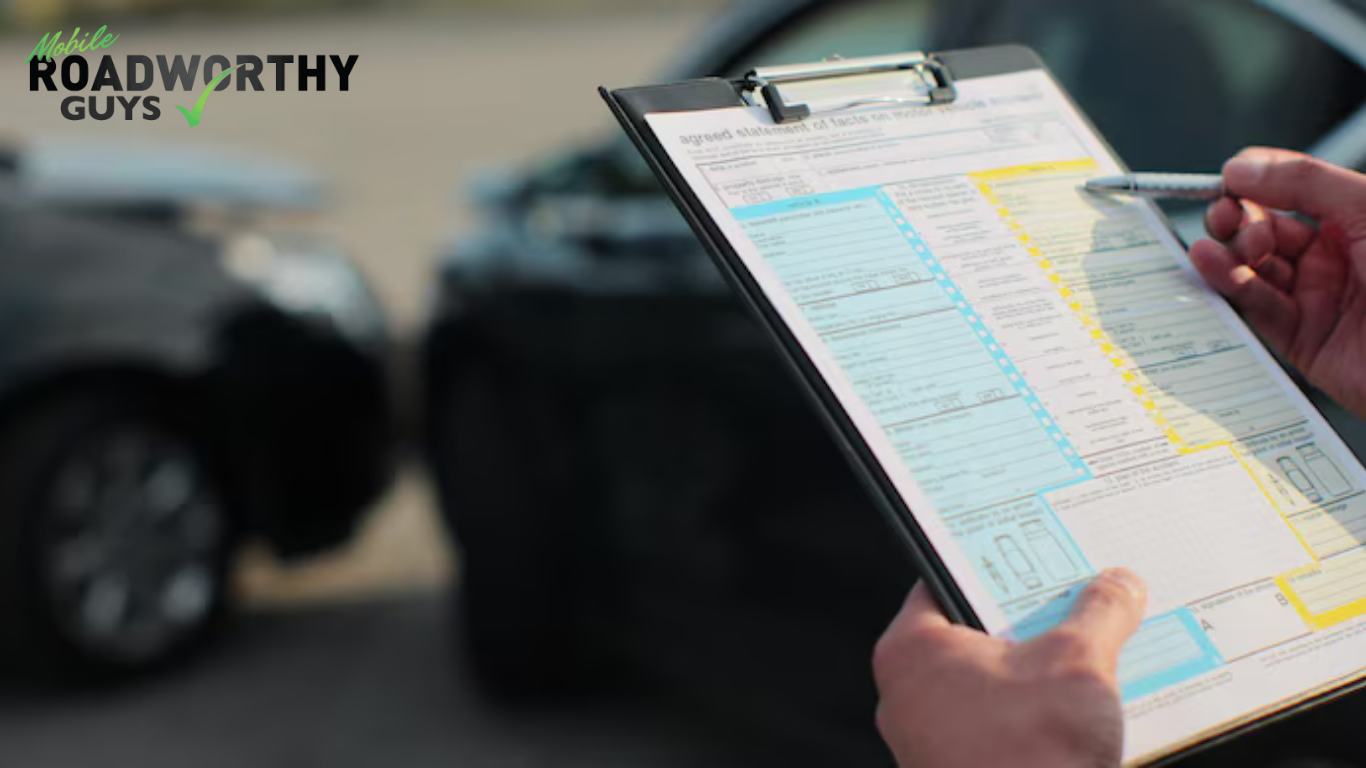
A safety certificate is a document that testifies that an automobile is in compliance with minimum safety standards for use on public roads. It guarantees that fundamental components like brakes, steering, suspensions, tyres, lighting, and body structure are in satisfactory working condition when inspected. Safety certificate is different from full mechanical inspection in that safety certificate is only specific to roadway safety features. Safety certificate doesn’t guarantee an automobile’s fitment for use mechanically or foretell future maintenance needs, but verifies minimum safety standards at the inspection time.
Vehicle safety certification, previously known as “roadworthiness certificates,” is now “safety certificates” in order to better characterize their scope and intention. The shift from roadworthiness in overall sense to consideration of individual safety elements has helped eliminate confusion about the purpose as well as the limitation of the certificates. The change in nomenclature has helped purchasers as well as vendors alike in comprehending the focus on priority safety items, with the inspection becoming more accurate as well as complete.
Safety certificates are mandated in Queensland for most transfers of vehicles, as per policies of the Queensland Department of Transport and Main Roads. The policies apply to nearly every car being sold or being sold to a new owner, with some exclusions. Legislation mandates the supply of a safety certificate when the car is sold, with heavy legislated penalties for noncompliance.
In Queensland, failing to sell a car with an invalid safety certificate can attract heavy penalties of thousands of dollars in fines. The penalties are issued in order to discourage offenses and promote adherence to safety standards. Furthermore, sellers who sell a car in an invalid safety certificate can expect added legal issues where the car later develops safety defects leading to an accident or injury, attesting to the importance of securing the right kind of certificate prior to the sale of any car.
The Queensland requirement for safety certificates applies broadly to several classes of vehicles:
Please note that some exceptions apply in specific situations, such as immediate family transfers or the sale of vehicles non-registered. The exceptions are limited and specific—if uncertain, always ensure that you obtain an inspection certificate.
The safety certificates are mandatory for car purchasers since they ensure that their car meets safety standards. The certificates include such critical systems as braking efficiency, condition of the components in the steering, condition of the suspension components, tire tread depth, condition of the lighting system, windscreen and window condition, condition of seatbelts, and body structure condition. The system bars the sale of vehicles posing risks and hence potentially injuring their newest owners.
It is not just about being in compliance with the law for the seller; it is about protecting himself from future liability. Selling an automobile that is not certified exposes the seller to several risks:
A legitimate safety certificate enhances credibility in car sales in terms of the compliance of the seller with the law, transparency about the car’s condition, commitment towards moral sales, as well as respect for customers’ safety. More credibility of such nature leads to smoother negotiations, faster sale, as well as increased sale prices, as customers enjoy the assurance of safety while purchasing cars with valid safety certificates.
To obtain a safety certificate, the process is straightforward:
Safety inspection typically lasts 45 minutes, depending on the type of condition of the car. The inspector goes through all of the safety items on a standardised list. Proper time should be left, especially in the event of close sell-by dates. Some inspection centres have same-day service, although some must be pre-booked in advance in busy times.
Under safety inspection, trained inspectors will inspect:
The inspector will document all issues found and provide an extensive report either when the car fails or passes inspection.
Mobile Roadworthy Guy offers today’s take on the traditional safety inspection with door-to-door inspection services brought directly to customers, revolutionising how individuals obtain their vital certificates. It is an innovative solution that introduces additional convenience and ease of access to the process, offering an easier choice for car owners.
The mobile inspection service offers utmost convenience for car sellers:
It is highly prized, especially, for time-conscious professionals, mobility-impaired persons, or persons having several cars for sale.
Mobile Roadworthy Guy offers an advantage by issuing safety certificates immediately if the inspection is done successfully. This offers instant results, quick turnaround, instant feedback, and zero waiting time. This enables the selling process to go through smoothly, with sellers not waiting to proceed with their transactions, thus ensuring that they can proceed with their transactions without any delay.
Booking a mobile safety inspection is designed to be as straightforward as possible:
The reservation is usually completed within a few minutes, with customer service reps available to answer questions or work out difficulties.
Timing is critical in obtaining a safety certificate to sell a vehicle:
Booking an inspection appointment in advance avoids last-minute problems that could disrupt or delay your sale.
Safety certificates are an essential aspect of the process of selling a car, protecting the interests of all parties involved and facilitating hassle-free transfers of ownership. In Queensland and other states, obtaining a safety certificate prior to advertising for sale is not just best practice, but a mandatory requirement. Failure will incur a penalty as well as have legal consequences. Innovative services such as Mobile Roadworthy Guy have made the process even easier, removing the traditional obstacles to compliance. Getting an updated safety certificate is an absolute necessity to adhere to the law, safeguard the seller against liability, as well as gain credibility. A safety certificate is not merely a document; it is a guarantee of a legal, ethical, as well as safe sale of the vehicle.